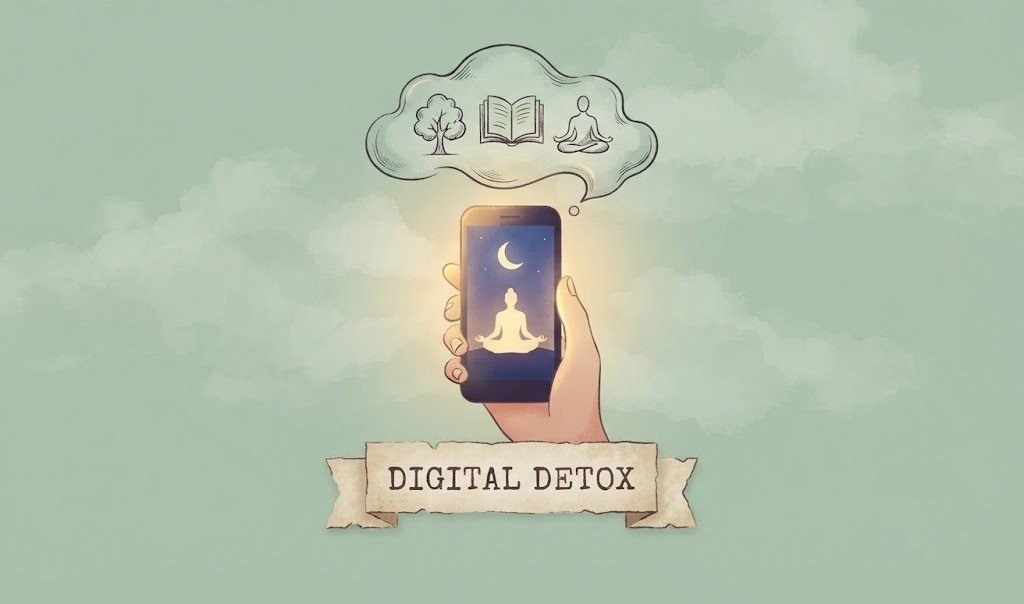
Social media has transformed the way we connect, learn, and share our lives. It keeps us informed, helps us stay in touch with loved ones, and provides endless opportunities for entertainment and education. However, excessive screen time can gradually take a toll on our mental well-being. Endless scrolling, constant notifications, and the pressure to compare ourselves with others can increase stress, anxiety, and difficulty concentrating.
A digital detox doesn’t mean abandoning technology altogether. Instead, it’s about developing healthier habits that allow you to enjoy the benefits of technology without letting it control your time, attention, or mental health.
What Is a Digital Detox?
A digital detox is a deliberate break from digital devices such as smartphones, social media platforms, tablets, and computers. Its purpose is to reduce unnecessary screen time and create a healthier relationship with technology.
Whether you disconnect for a few hours, a weekend, or even a month, taking regular breaks from digital devices can improve focus, boost mental clarity, and create more opportunities to enjoy meaningful offline activities.
How Social Media Affects Mental Health
Social media platforms are designed to keep users engaged. Every notification, like, comment, and new post activates the brain’s reward system, encouraging repeated use. Over time, this cycle can contribute to increased stress, shorter attention spans, and feelings of anxiety.
Another challenge is social comparison. Many people compare their everyday lives with carefully curated highlights shared online. Since social media often showcases only the best moments, these comparisons can lower self-esteem, create unrealistic expectations, and leave users feeling isolated or emotionally exhausted.
Signs You Need a Digital Detox
Your daily habits often reveal when it’s time to step away from your screen. If you reach for your phone immediately after waking up, struggle to concentrate without checking social media, or feel anxious when your phone isn’t nearby, your digital habits may be affecting your well-being.
Other warning signs include staying up late because of scrolling, losing productivity at work or school, ignoring conversations with family and friends, and repeatedly refreshing social media without any clear purpose. Recognizing these behaviors early makes it easier to build healthier routines before they begin affecting your mental health more seriously.
Benefits of a Digital Detox
Reducing screen time offers both mental and physical benefits. Many people notice better sleep, improved concentration, lower stress levels, and greater emotional balance after only a few days of limiting social media use.
A digital detox also creates more time for activities that genuinely enrich your life. Reading, exercising, pursuing hobbies, spending time outdoors, or having meaningful conversations with loved ones can improve your mood, strengthen relationships, and increase overall happiness.
How to Start a Digital Detox
Starting a digital detox doesn’t require drastic lifestyle changes. Begin with small, realistic goals that fit naturally into your routine. Turn off non-essential notifications and avoid checking your phone during meals or in the hour before bedtime.
Create phone-free spaces in your home, such as the bedroom or dining table, and replace mindless scrolling with healthier alternatives like walking, journaling, meditation, reading, or spending time outside. Small, consistent improvements are much easier to maintain than trying to quit social media all at once.
A Simple 7-Day Digital Detox Plan
Start by tracking your daily screen time and identifying your biggest digital distractions. On the second day, disable unnecessary notifications to reduce interruptions. On day three, avoid social media during the first hour after waking up.
Continue by making every meal screen-free, spending one evening completely offline, enjoying an outdoor activity, and finishing the week with a full social media-free Sunday. This gradual approach helps build lasting digital wellness habits without feeling overwhelming.
Digital Detox Tips for Students
Students often depend on smartphones for studying, but constant notifications can interrupt concentration and reduce learning efficiency. Setting dedicated study periods without social media helps improve focus, memory retention, and productivity.
Using productivity tools, keeping your phone out of reach during study sessions, and taking regular offline breaks can support better academic performance while reducing mental fatigue.
Digital Detox Tips for Working Professionals
Professionals spend much of their workday in front of screens, making digital balance especially important. Instead of checking emails continuously, schedule specific times to respond to messages. Use focused work sessions to complete important tasks and avoid unnecessary multitasking.
After work, disconnect from business notifications and dedicate time to family, exercise, hobbies, or relaxation. Establishing clear boundaries between work and personal life helps reduce burnout and supports long-term mental well-being.
Common Mistakes to Avoid
One of the biggest mistakes people make is trying to eliminate every digital platform overnight. This approach often feels overwhelming and can be difficult to maintain. Instead, reduce screen time gradually while replacing unhealthy habits with more meaningful activities.
Another common mistake is swapping social media for other forms of excessive screen time, such as binge-watching videos. A successful digital detox focuses on spending more time offline rather than simply changing the type of screen you use.
Read also- How to Stop Overthinking Forever with Effective Methods ?
Final Thoughts
Technology is an essential part of modern life, but it should enhance your well-being rather than dominate it. A digital detox helps you build healthier digital habits, improve your mental health, and create more meaningful moments away from the screen.
You don’t need to delete every social media account to experience positive change. Start with small, consistent steps, set healthy boundaries, and make time for real-world experiences. Over time, these simple habits can help you develop a healthier relationship with technology while benefiting your mind, body, and relationships.
Frequently Asked Questions
How long should a digital detox last?
A digital detox can last anywhere from a few hours to several weeks. Even reducing your daily screen time by one hour can lead to noticeable improvements in focus, sleep quality, and overall well-being.
Does a digital detox help with anxiety?
For many people, limiting unnecessary social media use reduces stress and anxiety. Better sleep, healthier routines, and more time spent offline can also contribute to improved emotional health.
Can I use my phone during a digital detox?
Yes. A digital detox isn’t about eliminating technology entirely. Essential activities such as communication, work, navigation, and emergencies can continue while reducing mindless scrolling and unnecessary screen time.
What is the biggest benefit of a digital detox?
Perhaps the greatest benefit is regaining control over your time and attention. Many people experience better focus, improved sleep, stronger relationships, and a healthier balance between their online and offline lives.